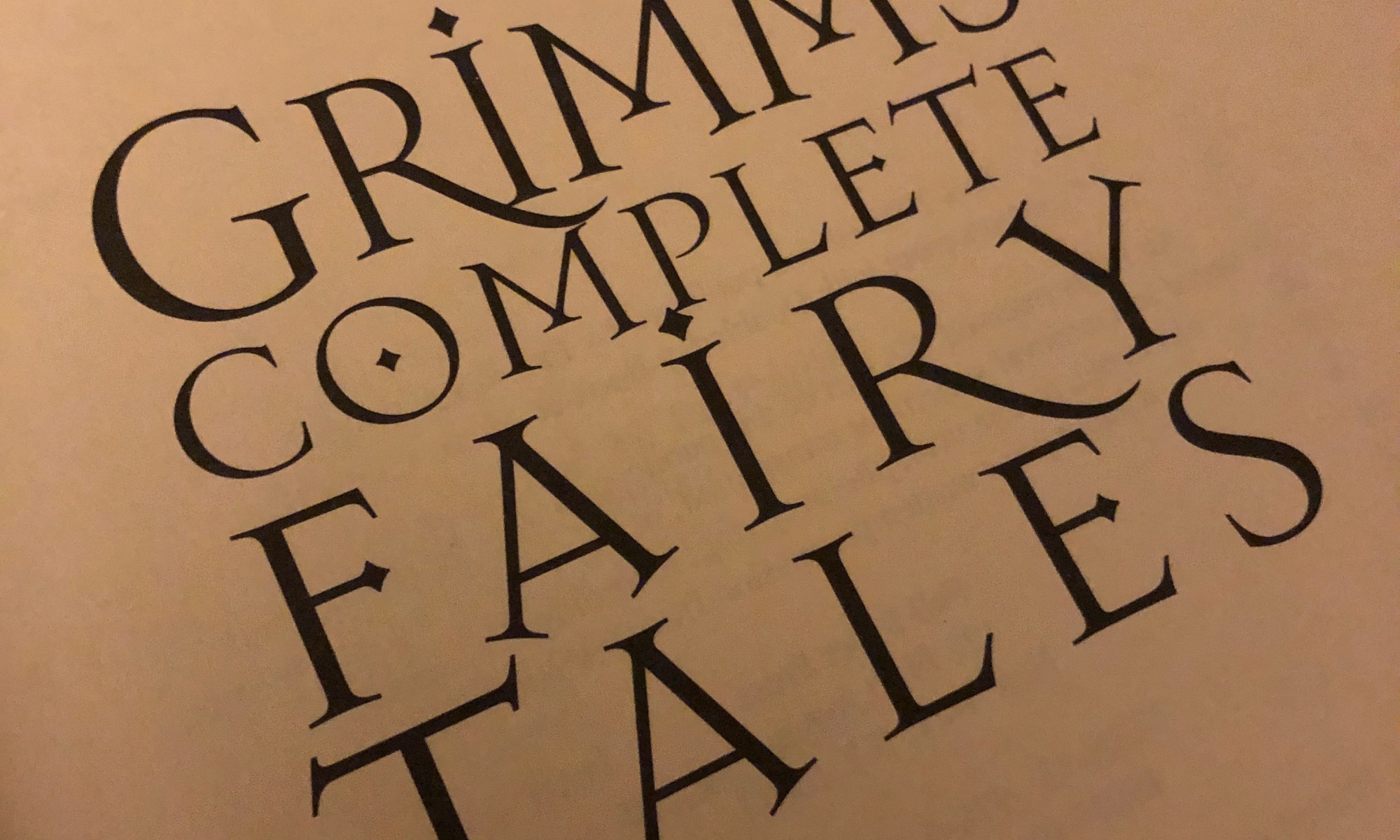
Why We Need the Dark Parts: Fairy Tales, Sacred Law, and the Moral Imagination


We were sitting together at the table, my Bible open. Morning light was landing on crayons and construction paper. We all were a few years younger.

I turned to the day’s passage and found myself recounting the story of Uzzah.

You know the one. The Ark of the Covenant is being carried to Jerusalem. There is music and dancing and David himself is leaping before the Lord. Then… the oxen stumble. The Ark tilts. And a man named Uzzah, walking right beside it, reaches out instinctively to catch it.

He dies.

On the spot.

I heard a small gasp and looked up from the page. My oldest was staring at me.

“He died?!”

I nodded.

“But wasn’t he just trying to help?”

And just like that, we were in the middle of learning I had never planned that morningโ€” the kind that no lesson plan could manufacture.

It’s the kind only a story can open.

Why Obedience Is Obedience

My daughter’s instinct was good and right and deeply human. Uzzah was trying to help. By every standard of normal human evaluation, his was a protective impulse. And yet…

As we talked through the story, three different ideas emerged that I still think about often.

The first is simply this: obedience is obedience. The instructions for transporting the Ark had been given clearly– designated priests, carried on poles, never touched by hand. The whole procession, as it turns out, had already been done incorrectly. They were using a cart instead of the shoulders of the priests, which was not what God prescribed. So, Uzzah’s death? It doesn’t come out of nowhere. Accumulated carelessness finally meets the consequences it had been ignoring. When we disobey, even for what feels like a good reason, even with genuinely protective motives… it is still disobedience. The consequence doesn’t negotiate with the intention.

My daughter asked, the way she does.

“But doesn’t why you do something matter?”

It does, I told her. Motive matters to God, and it matters morally. But it doesn’t cancel the consequence of the action itself. We do not get to decide which rules apply to us based on how good our reasons feel to us in the moment.

The conversation led to another question. I asked her: if Uzzah had touched the Ark and nothing happened… if God had simply let it go because Uzzah’s heart was in the right place, what would that tell us about God’s Word? Would it mean that God didn’t really mean what He said? What would that make God look like?

In a small voice, she gave the answer: “A liar.”

And God is not a liar.

God’s holiness is a bit easy to miss when we are busy feeling our feelings about Uzzah. But if God’s commands bend when the circumstances feel sympathetic enough, they are not commands at all. They are suggestions. And a God whose word dissolves under sufficient emotional pressure is not a God whose word can be trusted at all.

It was the third question that was maybe the most obvious, but also the most meaningful: Does God ever need man to save His holiness?

No. He does not.

The Ark did not need Uzzah’s hand. God’s purposes do not depend on man’s intervention, however well-meaning. The story of Uzzah, for all its seeming severity, shows us it is God’s holiness that saves us– not that our works can save Him.

We closed the Bible eventually and moved on to other things… probably math at some point. But that conversation stayed with me. And it has shaped the way I think about every hard, dark story we read, in Scripture and everywhere else.

The Stories That Do the Deepest Work

C.S. Lewis wrote that fairy tales don’t give children their first encounter with darkness and danger because children already know those things exist. What fairy tales give them is the right shape for those things. A form to pour experience into. A way of understanding the weight of things before life hands them the real version.

You can tell a child that pride leads to ruin and they will nod and move on. But give them the Evil Queen standing before her mirrorโ€” daily, obsessively, asking the same consuming question over and overโ€” and something different happens. The child sees pride. They see envy. They see its posture, its ritual, its obsessiveness. They feel its grotesqueness before they have a word for it. The story does moral work that a lesson never could.

This is exactly what happened at our school table that morning. I didn’t plan a lesson on the holiness of God or the nature of obedience. The story opened the door, and we walked through it together.

That is what living stories do. That is what Charlotte Mason understood when she insisted on putting real booksโ€” books with weight and consequence and beautyโ€” in front of children rather than sanitized retellings and watered-down lessons. The imagination is the first moral faculty. It must be formed before the intellect can reason from it.

And the moral imagination is formed by story.

What Fairy Tales Actually Teach

Snow White is not a story about envy the way a lesson is about envy. It is envy, dramatized into a character who cannot stop feeding it.

The mirror is not set dressing. It is the theological center of the Queen’s arc. She has made comparison her godโ€” her devoted daily ritualโ€” and the story follows that worship to its only possible conclusion: destruction. That’s where idolatry always ends.

No narrator announces that pride is wrong. No moral is delivered at the end. The consequence is the commentary. The Queen is not destroyed by Snow White. She is destroyed by her own escalation, her own willingness to go further and further in pursuit of what can never satisfy. The child who hears this story does not just learn that pride and envy are wrong. The image and story of the Queen becomes part of the imaginationโ€” a moral reflex that abstract instruction doesn’t instill.

And then there is Snow White herself. She accepts the appleโ€” a failure of discernment, maybe of character?โ€” but the story does not punish her into oblivion. She is preserved. Seven unlikely creatures keep vigil over her in a glass coffin, for no reason except that goodness is worth guarding even when it cannot guard itself. No one has to explain why this is right and true. The child simply feels the tenderness and truth of it, and understands, somewhere below the level of words, that love is a form of faithfulness.

Two moral arcs, running at once. One showing where envy and pride end. One showing what goodness is worth. And neither one delivered as a proposition.

The Birds That Remember Everything

Let’s move away from Snow White and talk about Cinderella. This fairy tale has a layer most of us were never given when we were childrenโ€” and its absence is exactly the problem this post is about. A significant part of the story was quietly removed from the version that became the standard because someone decided we couldn’t handle the real ending.

In the Brothers Grimm telling, the stepsisters don’t simply fail to fit the golden slipper (glass is the French version of Cinderella) and walk away embarrassed. Their mother coaches each of them to mutilate herselfโ€” one cuts off her toes, the other her heelโ€” to force the slipper to fit. The same doves who helped Cinderella sort lentils from ashes throughout the story call out the blood pooling in the shoe each time the prince rides away with the wrong girl. And at the wedding, as the bridal party walks into the church, those birds peck out one eye from each stepsister… and on the way back out, the other. Both of them. Permanently. The story ends with two blind women instead of the ones who came hoping to share in the glory of the girl they tormented for years.

I know. I can hear you. That is a lot.

But stay with me, because this is exactly the logic of Uzzah. The consequence feels disproportionate to our modern sensibilities. It is meant to. The fairy tales calibrate something– the same thing Uzzah’s story calibrates: a sense that moral reality has weight, that cruelty accumulates, that the world does not simply reset when the victim rises.

Those birds are not incidental. They are moral agents in the story’s universe. They helped Cinderella because she was faithful. They exposed the fraud because the moral order demands truth. They completed the justice because the story insistsโ€” as Scripture insistsโ€” that sustained wickedness does not simply dissolve when it becomes inconvenient to acknowledge.

And notice: Cinderella herself does nothing. She is radiant at her wedding while justice completes itself around her. She did not scheme for it, did not ask for it, did not even watch for it. The moral order simply finished what it started. Goodness and grace are not passive โ€” they participate in something that moves, quietly and comprehensively, toward its end.

What We Lose When We Soften Everything

When the birds become cheerful little songbirds who sew dresses and the story ends at the wedding with no reckoning for anyone, Cinderella becomes a story about a nice girl who got lucky.

That is arguably a worse moral lesson. It suggests that goodness leads to a pleasant life if you wait long enough while cruelty simply fades out of frame. It trains the imagination to expect a world that does not exist. So when life arrives with its actual weightโ€” when cruelty does not fade, when goodness costs something, when consequence shows up uninvitedโ€” the child formed on nothing but softened stories has no imaginative framework for it.

The Grimm version insists that the world remembers. The birds remember every lentil Cinderella sorted, every cruelty she endured, every small faithfulness she maintained when no one was watching. Moral order is not theatrical. It is comprehensive.

This is what my daughter was grappling with at the school table that morning. The story of Uzzah was uncomfortable precisely because it refused to let a good intention undo a real consequence. That discomfort was the lesson. That friction wasn’t something to smooth over. It was something to sit in, turn over, and eventually receive.

Give Them the Real Stories

Charlotte Mason believed that the atmosphere of a home, the books placed in children’s hands, the stories read aloud around a table are not supplementary to education. They are education in the deepest sense. They are the formation of the person who will one day reason, choose, love, and act.

A child who has been given the real storiesโ€” with their sacred gravity, their swift consequencesโ€” carries a framework into life that will serve them in ways they cannot yet articulate. They will recognize the Queen at the mirror when they meet her in themselves. They will understand, instinctively, why some things must not be handled carelessly. They will sense, when they encounter grace, that it is not random. It is intentional.

Fairy tales do not work simply because they are old, or unedited, or appropriately dark. They work because they are structurally aligned with how the Gospel actually operates.

Innocent suffering. Faithfulness in hiddenness. A moral order that cannot be cheated or charmed. Justice that is real and complete. Restoration that comes from outside the protagonist’s own effort.

That is the Gospel’s shape. Children formed on stories with that shape carry an imagination already tuned to how that kind of universe works. They are already prepared to recognize The Story when they meet it in full.

Let’s be clear about something though: not every story can do what fairy tales do. Modern stories and stripped down fairy tales run the opposite direction entirely. They muddy the moral imagination when they imply that following your heart and trusting your feelings is the right thing. They suggest that consequences do bend for good intentions. That villians are misunderstood, not evil. That happy ending belongs to whoever finally asserts themselves loudly enough.

That is not the Gospel’s shape. And a child formed on a steady diet of that moral universe will find the Gospel strange when they meet itโ€” because everything about it runs counter to the world their imagination has been quietly inhabiting.

The old fairy tales, in all their severity and beauty, are preparing the ground. They are training the imagination to live in a world where holiness has weight, where faithfulness is noticed, where the moral order holds, and where grace comes to those who did not scheme for it.

Give your children those stories. Not because darkness is good for them…

but because the shape of those stories is trueโ€” and the imagination formed by truth is the one that will recognize the Truth when they see It.


If you are interested in digging deeper in these kind of thoughts, please look up The House of Humane Letters at https://houseofhumaneletters.com/. I explored these thoughts in my own grad classes, but I’ve loved revisiting and adding to those thoughts in the partial webinar that I’m listening to currently. Angelina Stafford also has a podcast called A Literary Life which you can learn more about here.

Buffalo Bill and the Wild West (free journaling sheets + learning enrichments)

There are two things that I simply have adored throughout this academic year: the concentration and literature suggestions from A Gentle Feast for learning about the 1800s… and my time sharing some of those enchanting stories with our dear co-op, EspritGVL.

I’ve had the delight of teaching Language Arts for both primary (1st-2nd) and lower elementary (3-4th) grades this year, and our sweet primary class is finishing up our time with Buffalo Bill next week– and will be having our own Wild West show(case) to celebrate our learning. (I’ll be doing another post about our activities, Wild West poster replicas, and our party once it is all done.)

The book that we used to learn about Buffalo Bill was the d’Aulaire’s version of the tale. They have a whole series of beautiful books that are lovely to learn from. (Sidenote: as will many books that cover historical characters, you might find some political views that you don’t agree with in there. If that’s the case, take the opportunity of those moments to discuss and learn why we do things differently now.)

To help my little learners in guiding narration and storytelling, copywork, and even a touch of spelling, they got to work through these Buffalo Bill journaling sheets that I created for them. I’d love to share them with you as well! We split the story into two weeks-worth of reading, so had a set of 5 pages per week to work through.

Feel free to download these sheets for your own personal use and share this post with others that might like to use them as well. ๐Ÿ™‚

As a part of this unit, our class loved learning about buffaloes! We found out something pretty amazing about them. Unlike cows, who turn and run away from storms because they are afraid, buffaloes turn west and charge right into the gale to get through it faster! I wrote a little poem for our class about this new buffalo fact and shared it with them. Afterwards, the kiddos drew prairies with buffalo on it and also role-played the poem with some stuffies and a storm cloud. ๐Ÿ™‚

I made the little poem into an animated video , if you’d like to learn more about the remarkable feature buffaloes have of facing storms.

(It must be mentioned that I have no idea how to animate anything, so I just winged this. No judgement, ha!)

Our class time doesn’t leave room for a lot of clip-watching, so I often send extra enrichment links to the parents if their student wants to learn more at home. If you are reading about Buffalo Bill now (or soon), these videos are great ones to add to the facts (and fiction) behind the tall tale.

About Buffalo Bill
Real footage of Buffalo Bill from 1908
Enhanced footage of Buffalo Bill’s Wild West Show
The Legends of Wild West: Buffalo Bill (an animated biography)

About Buffalo
All about American Bison (aka Buffalo)
Buffalo and Native Americans

About Native Americans
(same link above under Buffalo)
Cultural Perspectives of Art and Native Americans

We have now reached the part of our story process that I love the most! Once we finish a book, the students get to spend a week creating something that connects back to what we learned in some way… and then they get to showcase it to the entire class!

The creativity and excitement I see from them is just so encouraging, especially as a communication teacher. Most of my communication students are high school and college-aged, and somewhere along the way, fear and intimidation takes root and many students just hate the thought of getting up and sharing anything in a “formal” way. To give children opportunities to share and present in the smallest, but most pleasantest of ways, does a lot to preventing public speaking from turning into something scary and intimidating.

I’m looking forward to seeing what all my students bring to share with everyone, before we have a fun Wild West party! (I’m making some Western-themed carnival-like games… so wish me luck!)

I hope these few tools and resources add extra enchantment to an already exciting character and story!


Poetry memory: The Months by Sara Coleridge

This classic poem from the 1800s is a great way to walk through the seasons with descriptive language. I currently have my 3rd and 4th graders in our co-op memorizing this. The rhymes bounce between common and unpredictable, and the imagery really creates a sensory experience with each month.

The Months

by Sara Coleridge

January brings the snow,
makes our feet and fingers glow.

February brings the rain,
Thaws the frozen lake again.

March brings breezes loud and shrill,
stirs the dancing daffodil.

April brings the primrose sweet,
Scatters daises at our feet.

May brings flocks of pretty lambs,
Skipping by their fleecy dams.

June brings tulips, lilies, roses,
Fills the children’s hand with posies.

Hot july brings cooling showers,
Apricots and gillyflowers.

August brings the sheaves of corn,
Then the harvest home is borne.

Warm September brings the fruit,
Sportsmen then begin to shoot.

Fresh October brings the pheasants,
Then to gather nuts is pleasant.

Dull November brings the blast,
Then the leaves are whirling fast.

Chill December brings the sleet,
Blazing fire, and Christmas treat.

Two Bad Ants: fun activities and the Big 4

Spring and summer is the perfect time to bring out those bug books and studies… considering we can observe them all around us again. (Guess we’ll be doing a mosquito study soon. Sheesh!)

It was on our agenda a couple of weeks ago to study ants… and as I was perusing the library shelves for some fun reads to include, I came across Two Bad Ants. What a delightful little read, and it led to really great learning and play… and curiosity! Win win win!

If you have read other learning posts of mine, you know I’ve been a classroom teacher for years– and that time has shaped how I wanted to teach my own kiddos at home. We are Charlotte Mason/Classical-based (eclectic a bit) in general, but something that I find really shapes learning time well– inside and outside of the classroom– is remembering the Big Four: imagine, encourage, educate, and enjoy. (Note: Charlotte Mason herself was not a huge fan of “lesson plans” as she believed the best education–even only education– was self-education. I don’t disagree. Think of The Big 4 as a framework to hang principles on, not a lesson plan to stick to rigidly or you fail, okay?)

With that said, let’s walk through the Big 4 with this book, shall we?


Imagine

What’s so amazing about fun, living books is that they foster imagination in and of themselves! We don’t have to “try” to make the imagination come alive. Children are born with curiosity and imagination; our biggest challenge is to not get in the way! Two Bad Ants is SO fun in this department. It forsakes familiar words with descriptive language in a way that can made the book a series of riddles for the kids to mentally answer (especially younger ones!), and the perspective of the pictures make the book so fun to “enter” in. As your kiddos are listening to the story, don’t be afraid to pause and let them get curious! My kids asked some really great questions here, like “why do the ants call the grass a forest?” and “how do we know they landed in sugar?” and “why did the ants fly through the black slits in the wall?” What great opportunities to ask them questions back and get them thinking to answer their own questions! You can even take time here to “imagine” being ants or seeing how height and angles change perspective. Crawl on the floor and observe what you see differently, now that you are lower than normal. How about standing on a stool or chair? What do you see now?  

Another way to incorporate imagination is to basically allow them to get creative.

Do they want to make up their own story about the ant?

Put on a play?

Design their own ant playground… which makes me think of Honey I Shrunk the Kids…

Draw an ant? Great! Let them! This book made my 9 year old want to grab our Natural History book and check out all the ants there before deciding to draw her favorite. Awesome!

encourage

When it comes to this principle, I take it different ways at different times. The main way I try to think of incorporating encouragement is seeing what the Bible has to say about what we are learning/observing. What does it tell us about the object we are discussing, or the character we see in the story?

The Bible actually does talk about the ants and what we can learn from them. It tells us to consider the ants and be like them. Why? (Ask your kiddos!) Because they work hard and prepare well. What are some ways we can do that? That question led to a lot of good responses, and their answers included some things that we do as a family and some that we can improve on.

Another way that I like to think about encouragement is making sure that I’m seeing where my kids are growing and improving and making a point to encourage them in that. This isn’t lesson specific, per se. But even as we doing some activities with the book, and the kiddos were asking questions, I make a point to use positive feedback: “What a great question! Let’s see what we can learn about that!” Or “That’s a good observation; you looked really closely to see that!” I want to encourage their effort without making it about me and my “pride” or happiness in it– although I am both proud and happy when they are giving great attention and adding to their own learning!

Educate

Of course, “education” is something that can happen anytime, anywhere. We don’t have to plan or force it to happen. But in the “educate” category in my head is about me figuring what tools I need to give them and what goals I have for them. Basically, it’s asking myself what plates, napkins, silverware, and ingredients are needed for the “feast” that day. And just like every “feast”/buffet doesn’t have every single cuisine represented, I don’t think we need to feel the burden/obligation of making sure every. single.learning.moment has every single type of academic “food.” In other words– if I want to focus on science/nature during that time, I totally can without including fine arts and all the other things. ๐Ÿ™‚

Here’s what I did after reading this book: I got out salt, sugar, and our little magnifying glasses. When my buddy asked how we knew the ants landed in salt, we used the book to answer that question for us– but then we decided to take a closer look at salt and sugar itself. It’s looks pretty similar when we look at it our “normal” way– but what if we take a closer look? At closer inspection, we can definitely see that salt and sugar AREN’T the same. We talked about the differences we could see with a little magnification– which ants would have naturally, being smaller and much closer and with different kinds of eyeballs!

We also did a taste test and observed those differences, too. ๐Ÿ˜‰

Later that night for dinner, when we chatted about what we learned with daddy (hello, extra narration!), the kiddos were so excited to share what they learned– all on their own!

Meanwhile, I had plenty to jot down in my planner that day under “science.”

Enjoy

As I’m sure you can see, there were so many things that were “enjoyable” about what we had done so far that this “box” basically checked itself! Crawling around on the floor, tasting and seeing salt and sugar up close, and reading a fun book all felt and were enjoyable to my kiddos! However, you can always bump this up even more by pulling out any bug games you might have! We actually played a dice game called People Vs. the Ants. We played two variations of this: doubles and odds & evens.

We divided a paper in half and labeled one side People and the other Ants. The idea behind the game was that we are at a picnic and the ants are coming. If we win, we don’t have to move to a new picnic spot; and if the ants win, that means they took over our picnic and could eat all of our food. (Hello there again, Imagination!) Any time we rolled a double, we had to add them together, and that score was added to the ants side. Anytime it wasn’t a double, we added the score together and put it on the people side. Whoever got to 50 first, won! (We won, because we didn’t roll a lot of big doubles.)

We played it again with odds and evens. If the numbers rolled added up to evens, it was put in the People column, and if it added to an odd number, it was an ant score. (This game worked on head addition for my early elementary student, and my kinder boy is learning odds and evens, so he got to work on that, too!)

The kids got an extra dose of “enjoyment” because they love any kind of game… and I got something extra in the “math” section of the day.


Well friends, that’s it! That’s how I took this book and applied the Big 4 to it. If you are wanting to read Two Bad Ants and plug these ideas in, I hope you find your experience with them enchanting and delightful to your family… but more than that, I hope you see how the Big 4 are ideas that can be applied to any book and any day! They definitely help me to create an atmosphere of education in our home. ๐Ÿ™‚


***
If you want to read more about the Big Four, go here, or watch this video that I recently did about it. ๐Ÿ™‚


A little note: the amazon links in this post are affiliate links, which means you don’t pay any extra pennies if your buy through them, but I might. Maybe. ๐Ÿ˜‰

The Big 4: my education (and life) essentials

If you go back over some of my education-themed posts (in the essential learning section), youโ€™ll notice โ€œthe Big 4โ€ pop up here and there. As a recap, my essentialsโ€” a checklist, if you willโ€” that I try to incorporate while we learn together at home are: imagination, encouragement, education, and enjoyment.

In this new video, I chat more about what each of those look like during my day, give an example about how I used a living book to weave the 4 together, and most importantly, the big picture as to *why* I try to place each one purposefully in our day.

If you want some sort of structure to your learning time that leaves room for wonder, try using these 4 in your own home. I trust you will find them a beautiful way to think about and shape your time together. ๐Ÿ’›

storytelling: ideas to help our students narrate well

If you have come across Charlotte Mason at all in your research about homeschooling– or if you would describe your own homelearning style as Mason-leaning– the term “narration” is probably one you are familiar with.

There are a lot more articles and even books that go into a lot more detail about what narration is and why it is important, and I’m not going to re-invent the wheel here.

The point of this post isn’t to take the time to define what it IS, but to remember what it is NOT. Narration isn’t just a regurgitation of the facts or plot-line of the story. It isn’t just us getting to see what the student knows–or doesn’t. I mean, it CAN (and probably should) include both of those purposes. But that is not all it is.

The purpose of narration is an invitation– and invitation for the student to make the information, the story and the lessons and impacts of it… his or her own.

Because there are ALL types of learners, it stands to reason that there will be all types of storytellers and all kinds of ownership.

A danger that we can fall into when we ask our kids to narrate is to accept– and maybe even encourage, because of time, energy, etc– that we get the “easiest” version of narration from them: basically, a simple retelling. There is absolutely nothing wrong with a retelling… but sometimes, some learners own stories in different ways.

I have found that my oldest isn’t a fan of simply retelling– she wants to create something. She will use figurines, peg dolls, playdough, etc. to create scenes. She wants to put on little skits and give lines to her smaller siblings (bless their hearts, ha!). A simple re-telling? No thanks.

I think it is hard for us as parent-teachers to come up with narration ideas on the fly if our kiddos are being a bit… hesitant. Sometimes all our children need is a germ of an idea and the freedom to run with it.

So, I’ve made up some bookmarks to print out and place in your books and read-alouds. Your child can choose off of the list or you can have a fresh idea rotation, come narration time! Several of the ideas I tweaked from the following post by Simply Charlotte Mason, but I intermingled several ideas of my own that we have done over here. โค

Happy storytelling, friends! May we be encouraged by how the power of story and living tellings of them shape our students and ourselves!

build a long rope: how to memorize long passages

It is said that โ€œLearning is a treasure that will follow its owner everywhere.โ€ (It’s a Chinese proverb, I believe.)

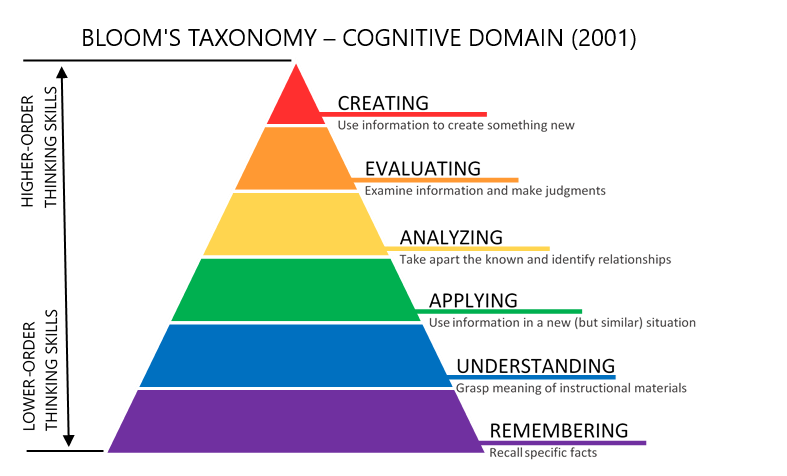
Regardless of whether or not you are a fan of memorization, no one can ignore the fact that we do have to remember something/be able to recall it to actually learn it, apply it, and create with it. That’s one of the main reasons memorizing takes its place as the base of Bloom’s Taxonomy. Being able to recall facts creates the ability for a student– for all of us– to be able to begin wrapping our minds around it, applying it to our lives and situation, analyzing connections, evaluating what we are learning… with the hopes that we can create something new out of it.

We can talk forever about how our current educational system might rely too much on remembering, or mistake remembering for education itself… and I actually have strong thoughts and feelings about that: as a teacher in a classroom for years myself (high school and college), I have definitely felt very frustrated about how pre-assessing and assessing and post-assessing whether or not students learned content was basically just memory-based– when learning is so. much. more!

But that’s not the point of this post. ๐Ÿ˜€

The point is: we DO need memory. Memory is the foundation for us not just to remember things, but to work and play with information and thought and art in our own heads: to “follow us” by simply being with us. Within us.

I have memorized A LOT in my educational journey. Not just for tests and quizzes, but for performance. Part of my undergrad and graduate degree requirements were me, myself, and I creating and performing 50 minute to 1hr and 10 minute one-woman shows. That’s a LOT of memorization.

But the memorization was just the first step. It was the first way for me to get that text in my head… to trickle down into my heart. I can’t tell you how many times I would be rehearsing the memory in my head, and suddenly I would get light-bulb moments about what the text really meant and how I could perform it. Suddenly, I would understand the characters in the story or the lines in the poetry I didn’t– and wouldn’t– without having it secure in my mind first.

Memorizing passage– classical and religious– is something we do in our home because I believe in the value of having thoughts, not just words, shape the hearts and the minds of my children.

So, how do you do it? How do you learn long passages? And to take it one more step… how can you get your students to do it as you use it in your home and homelearning?

In this very “amateur” video (because I don’t have equipment and a fancy home studio or anything. Instead, you get to join me at my kitchen table with a chalkboard in the background, ha!), I go through what I have done, what you can do, and how you can adapt the long-passage memory technique for little people and slip it into your morning time easily.

When you watch the video, you’ll completely understand what I mean by building “a long rope,” and how easy it is to actually do it!

Loop scheduling: how we ensure family culture and our “gentle feast”

Each day, we spend a chunk of time learning together. Our mornings always include Bible time, hymn/folk/foreign song singing, and Bible memoryโ€ฆ and we loop through other subjects. Right now, we loop through habit training, poet/poetry study, etiquette, fables, composer/music study, and art/artist study.

Yesterday morning, we talked about the etiquette of making others feel welcomeโ€” through simple acts like smiling, waving, saying hello, and introducing ourselves well to new people we meet.

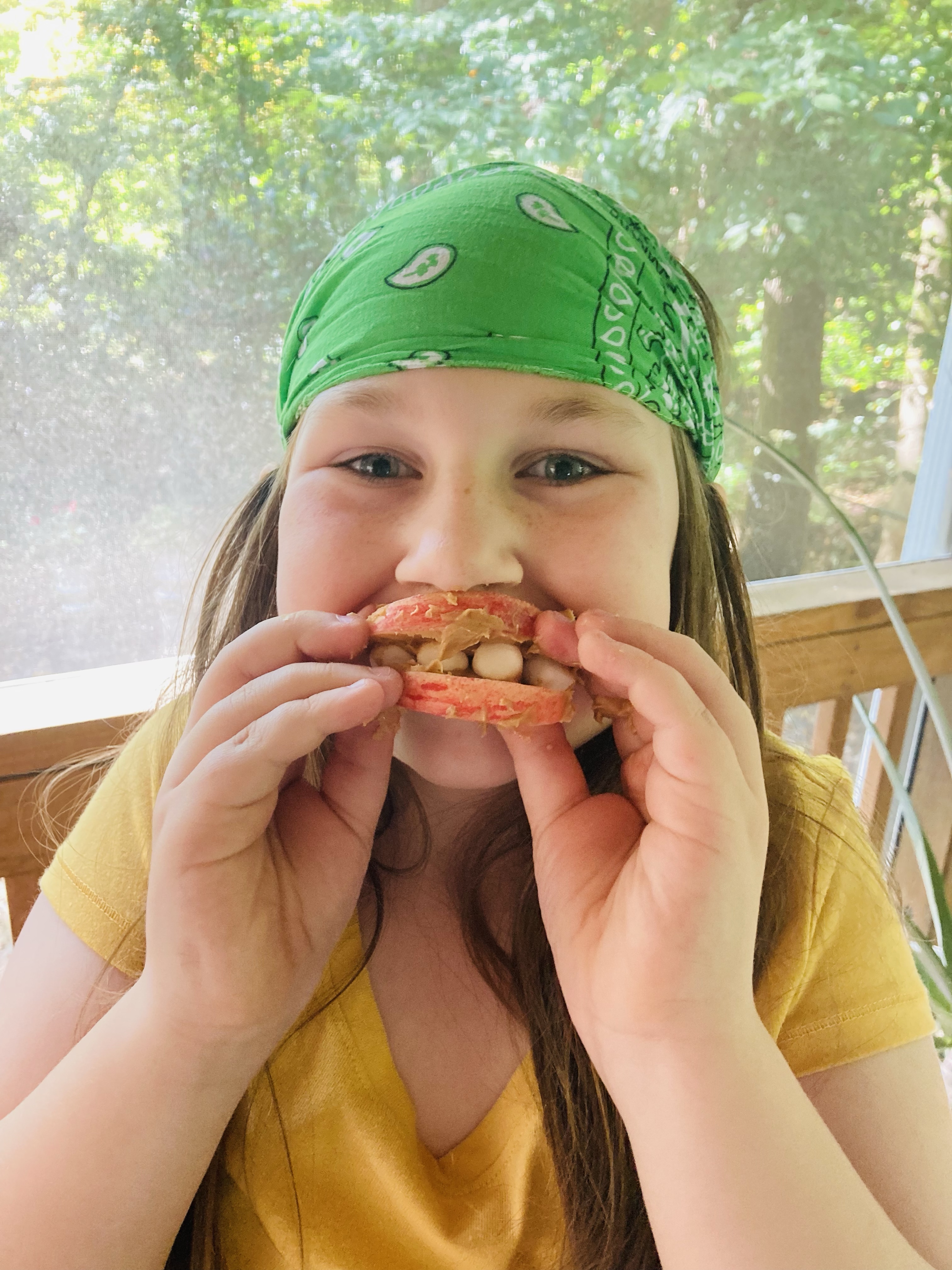
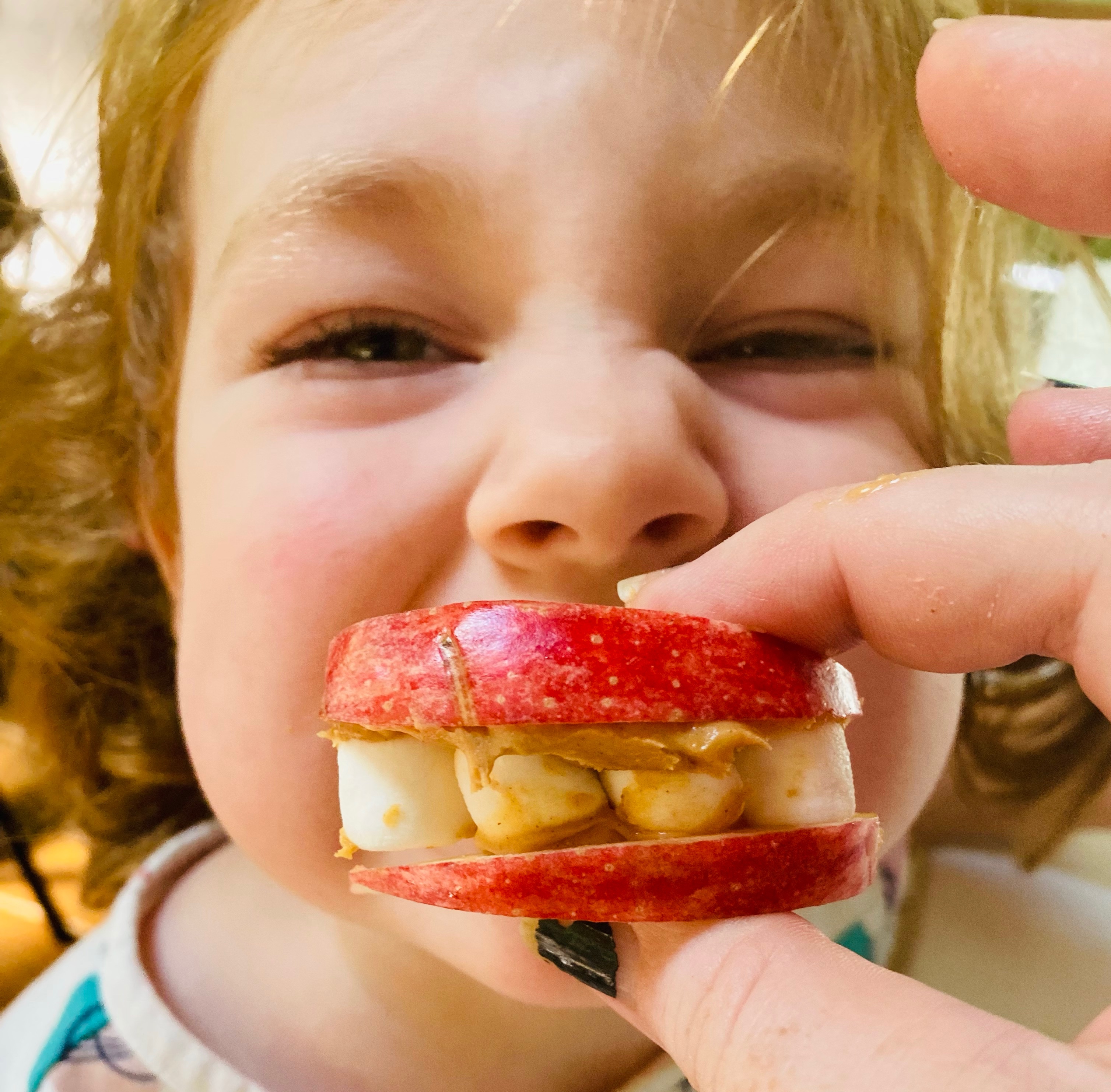
We practiced hellos and introductionsโ€ฆ and then made tasty smiles, just to be funny. ๐Ÿ˜‚

Days donโ€™t hold enough time to do all.the.things. Incorporating a loop schedule in our morning together time gives me the assurance that we will slowly and surely cover things that are important to the โ€œgentle feastโ€ I want to offer to my children, as well as foster a family culture that (I hope ๐Ÿ™๐Ÿป) will have a lasting impact.

Whatโ€™s important to you and your family culture that you weave into your days?

A Handicraft Halloween Guide

With October in full force, Halloween will be here before you know it! We typically do more fall-themed things in general vs. “Halloween specific,” but it is fun to pull out a couple of specifically themed things for this month.

If you have it, that is…

The only Halloween decor we have is the leftover spider rings and webs from my son’s arachnid-themed party last week, ha!

Instead of going out and buying things, it is a perfect time to apply those handicraft skills, both in ourselves (hi there, Mother Culture, looking at you!) and for our kids.

I wanted to take a moment to compile some themed ideas for the 31st that– in my opinion– harken to some of the “authentic” handicrafts that most Charlotte Masony people recognizeโ€ฆ versus toilet paper holder Frankenstein construction paper projects. (Note: if you like those, do those! No judgement here, I promise!)

Anyhoo, let’s get started!

Cross Stitch

I love several of the different cross stitch ideas that open when you click the pic below! What’s great is there are several simpler ideas for those kiddos, like mine, who are still learning the basics of stitching.

Origami/Paper folding

If you are familiar with tradition Charlotte Mason handicrafts, you know that she advocated teaching/learning โ€œpaper sloyd.โ€ Paper sloyd uses simple tools to measure, cut, and construct things from paper and cardboard.

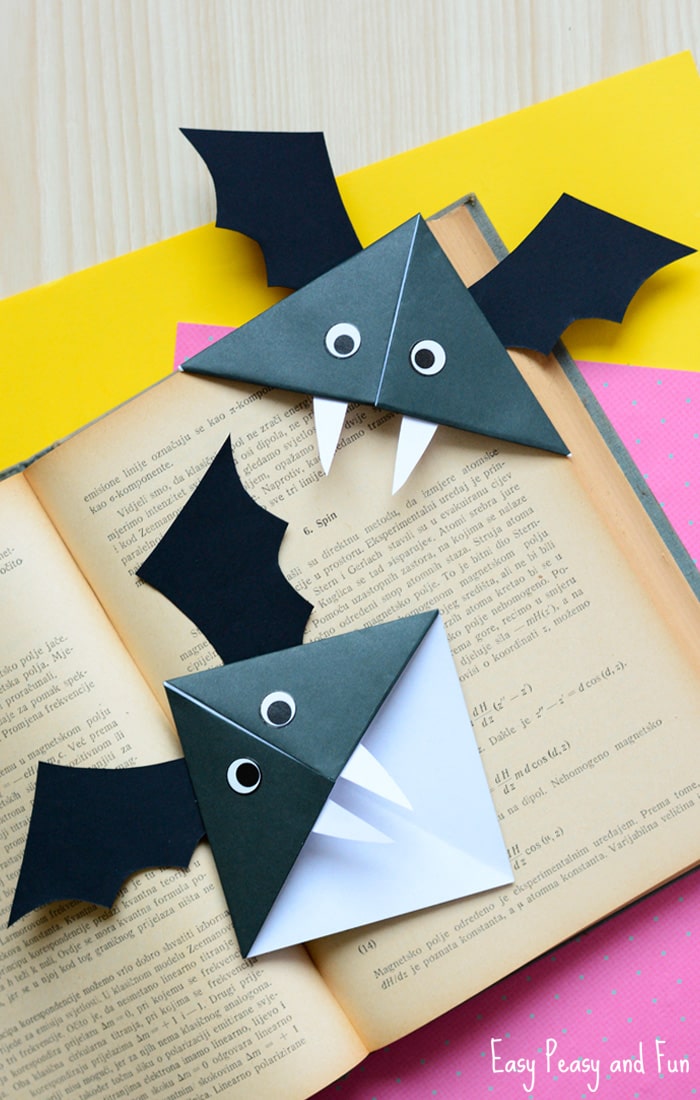
Origami captures the same spirit without the cuttingโ€ฆ and if you currently have several books going at once, you will need just as many bookmarks. These cut little bats are just the thing to add some enchantment in an unexpected placeโ€” your page corners.

Click the image to snag the instructions. (This instruction will be true for each handicraft, btw.)

Sewing

Isnโ€™t this garland just so cute?! The Etsy shop that offers the patterns for this banner has so many other cute ideas for decor, too. The best thing for me is that you donโ€™t have to use them on a garland if you donโ€™t want to. They can act as little ornaments, or can simply be made into palm sized toys for play. So fun!

Carving

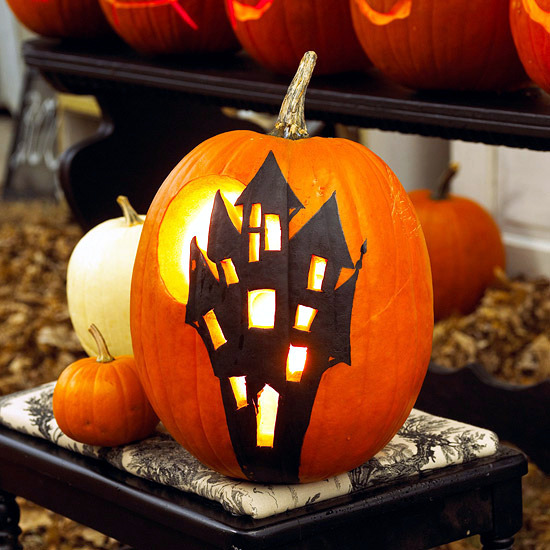
When most Mason families talk about carving and handicrafts, they mean woodโ€ฆ but arenโ€™t pumpkin just perfect for practicing these basics? I think so! Tackle a big pumpkin or lots of small ones!

Painting

Just like pumpkins are great to carve, they can also make pretty awesome canvases to practice painting skills on. In fact, I have fond memories of my living room when I was little, being covered in painted pumpkins. My grandfather had a fruit and vegetable stand, and during this season, my parents would hand paint hundreds of pumpkins for people to buy from him at his stand! Itโ€™s one of those things that you didnโ€™t realize at the time would be one of those nostalgic memories that would make you smile in remembrance decades later.

Iโ€™ve included a dual carved/painted idea here, but the sky is the limit: characters, landscapesโ€ฆ whatever floats your boat! (I think an Edgar Allan Poe pumpkin would be fun, surrounded by smaller raven and black cat pumpkins!)

Crochet

For those kiddos (or mommas!) learning and practicing the skill of crochet, these little imaginative play puppets looks so cute! They would be fantastic to pull in for narration after some seasonal read alouds! The best part is, the pattern for these puppets are free! Just access by clicking the photo below.

Baking & Decorating

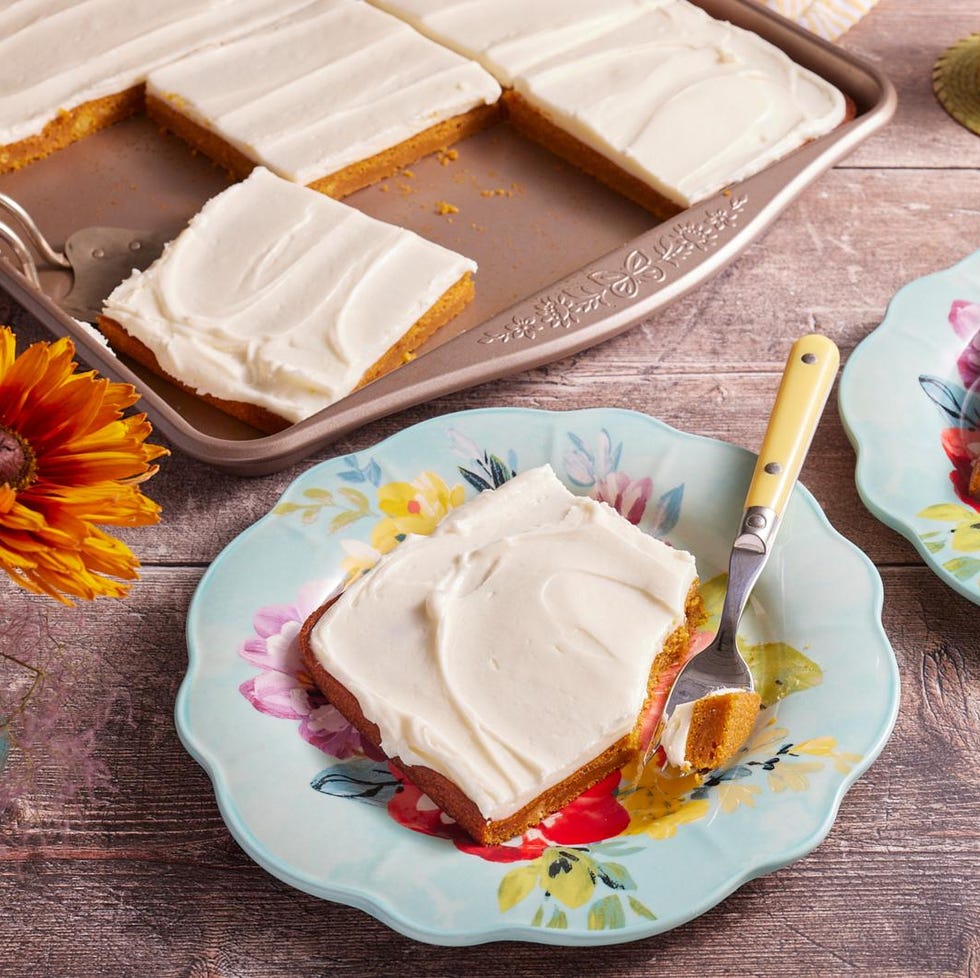
Obviously baking and decorating are two different skills, but Iโ€™m lumping them together here because they cross apply so often. For beginning bakers who might not be ready for piping, etc., this pumpkin sheet cake is easy to make and would make a fun addition to any poetry tea time!

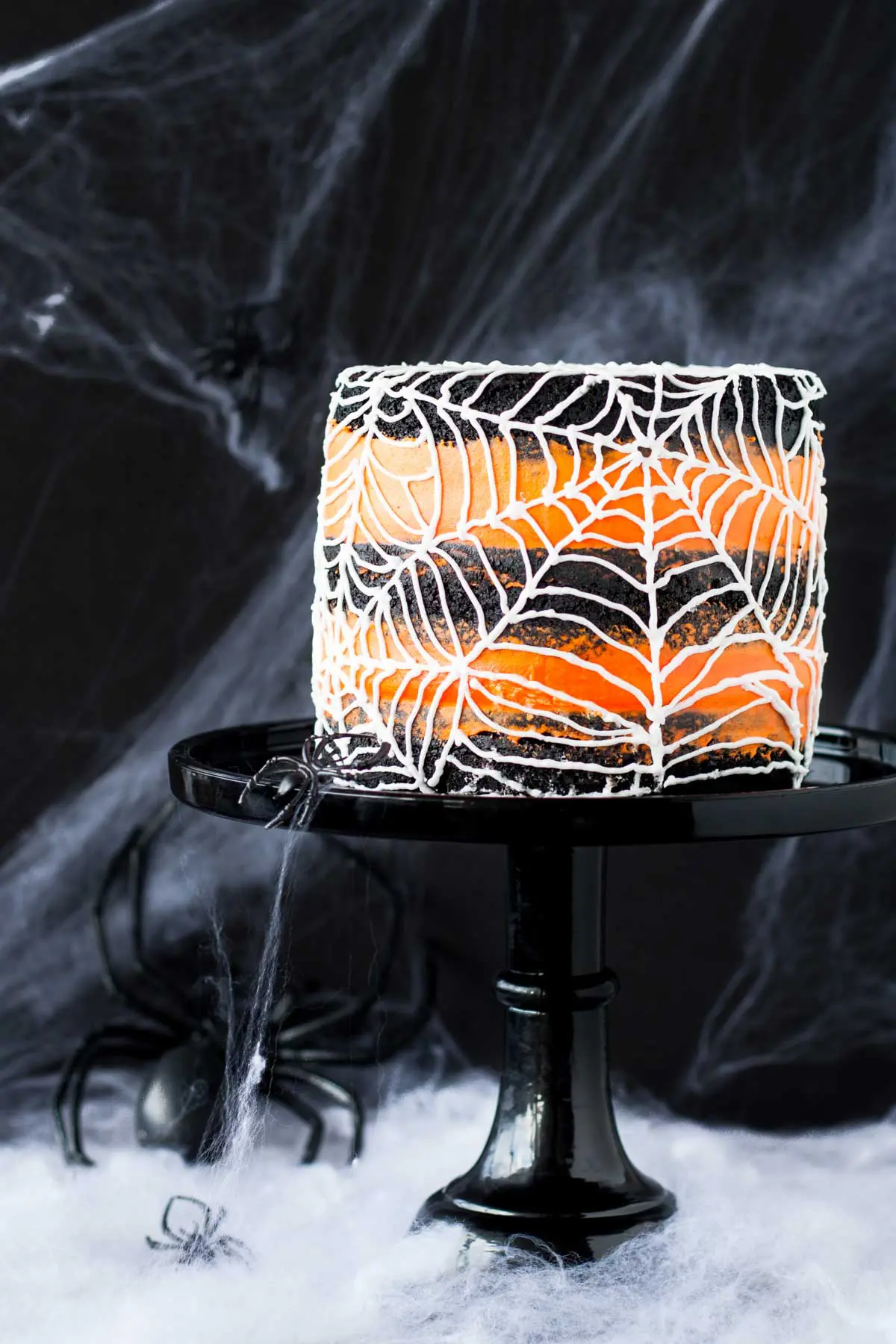
The recipe linked below is all about making this cake from scratch… but I’m assuming that if you are more of the pre-fab boxed cake type, you can simplify it a smidgen. However, I think this cake offers perfect practice for more advanced/fine piping! Check out the intricacy of the spider web! So cool!

Other options (aka Non-handicraft, ha!)

As much as I love handicrafts, I will fully admit to not having them work so well for younger kiddos. I have a 3 year old that doesn’t have the fine motor skills to truly attempt to decorate cakes or sew a stuffie… but she simply loves to color and hang up her pictures on the string on the wall down our hall.

If you can’t quite squeeze a new handicraft in before Halloween (or simply like to color during read alouds), no worries! Click on the button below to download and print 2 free Halloween pictures for those in your house to color.

If you are wanting even more sheets, or even want to print your own coloring book, head over to my Etsy shop and snag 50 pages of print outs for you to use! It’s normally $2.50, but use this coupon code and get another 15% off. ๐Ÿ™‚

Here’s to weaving in imagination and enjoyment into all of the education and encouragement we plan and do with our families this month!

***

For more Halloween-inspired fun, including school day plans, check out the links below!

The gift of handicrafts. Literally.

Charlotte Mason once said, โ€œThe child is only truly educated who can use his hands as truly as his head.โ€

I will admit: as an adult, there have been many times that I have felt handicappedโ€ฆ not by my lack of knowledge (because I know how to get more of it if I need it), but my lack of skills. I wish I was more โ€œhandy,โ€ and find the learning curve a bit harsh at times. (Leaky roof and broken fence, looking at you.)

Right now, I feel itโ€™s so important to teach my children 1) handicrafts (skills that merge both beauty and usefulness) and 2) that generosity and gift giving isnโ€™t just about using money to buy stuff.

When E (my 8yo girlie) began talking about Christmas, we sat down and talked about the gift of creatingโ€ฆ and she has decided to put her growing skills in hand sewing and loom knitting to work to make things for her brother and sister (like we read about in Elinโ€™s America).

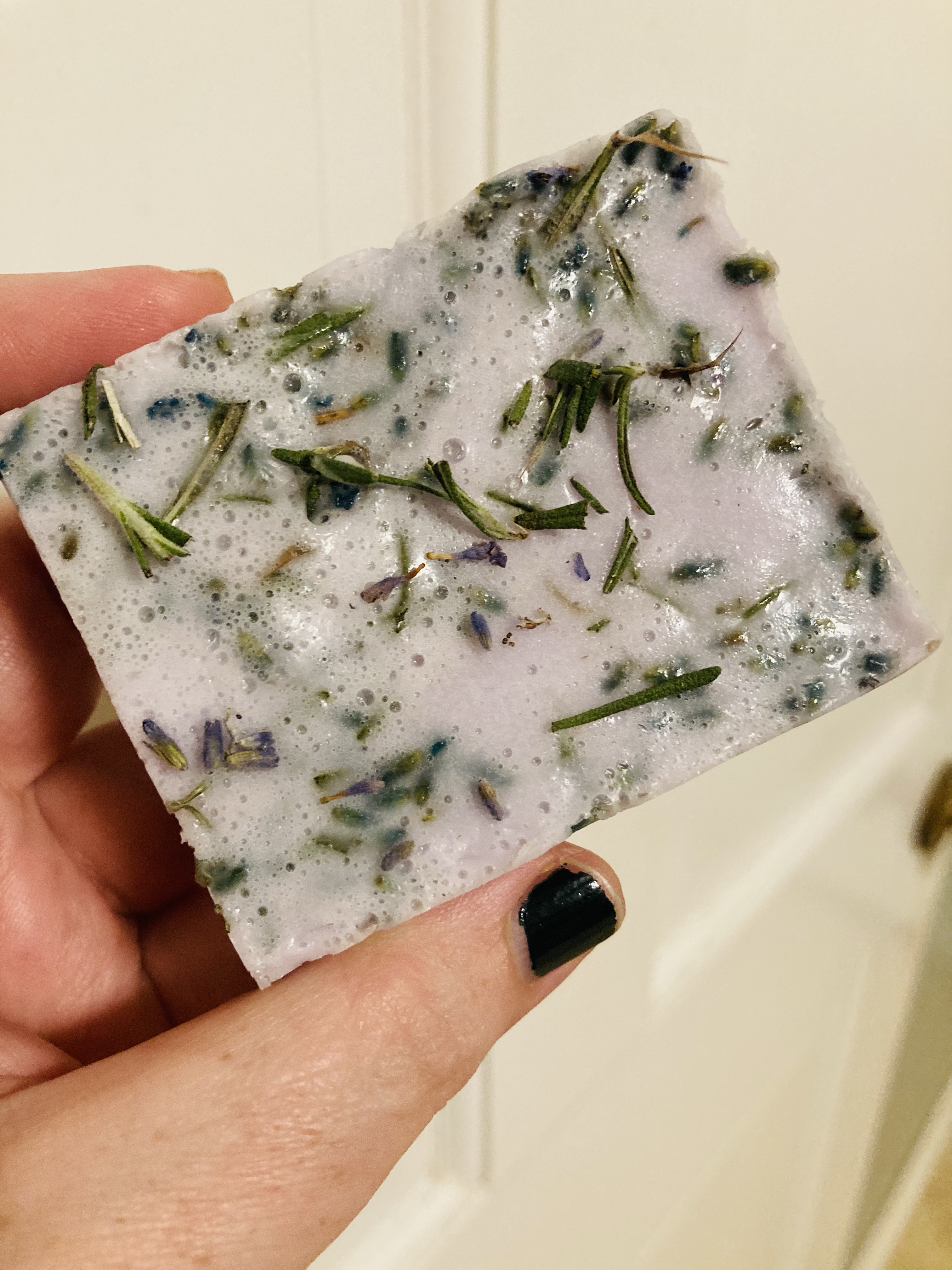
And together, we are learning the process of scenting and designing goat milk soap with essential oils, mica powders, and flowers.

One day, Iโ€™d love to actually learn the processing of making and curing soap from scratch, but the chemicals and storing for the entire process isnโ€™t something we can do right now.

So here is to learning and creating what we can, without waiting for all.the.things to be perfect to do so.

(What do you knowโ€ฆ another life lesson. ๐Ÿ˜‰)

Here is the Orange Juniper Goat milk soap we made!

(To see what we used for the soaps, go here, here, and here. ๐Ÿ˜€ I’m obligated to say that these are referral links, which means our family gets a small smidgen of a boost to our budget if you use them. There is no additional cost to you at all, though. So yay!

Note: the mica powders and essential oils I already had on hand from other projects and needs. Also note… we got the 2lb soap base because I didn’t know how much each bar would make, and how much we would want to do it. We will probably order a 5lb bulk next, to reduce the cost of making it per bar and to give more as gifts this Christmas.)